
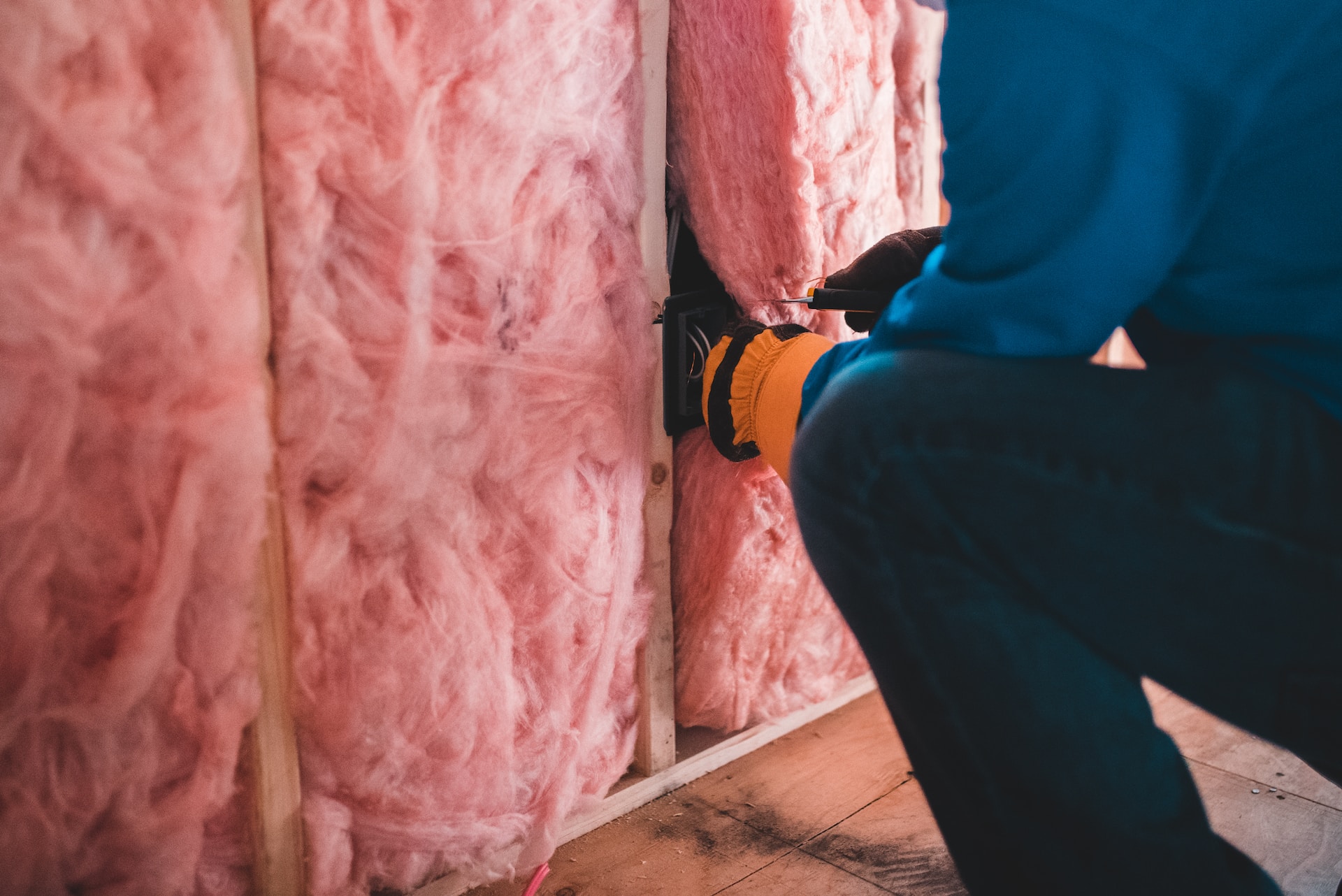
There are lots of ways to reduce your carbon footprint at home. We’ve used the WWF’s carbon calculator for the illustrative measurements.
Improve your home’s energy efficiency
As well as adding to your comfort and potentially saving you money on bills in the longer term, making energy efficiency improvements can offer big savings in CO2 emissions.
Here’s the potential CO2 reduction impact, assuming gas central heating and 100% renewable electricity:
- Loft insulation: 0.7 tonnes
- Cavity/solid wall insulation: 0.5 tonnes
- Solar water heater: 0.5 tonnes
- Low flow fittings to taps and showers: 0.4 tonnes
- Double glazing: 0.2 tonnes
- Condensing boiler: 0.2 tonnes
That’s a total reduction of CO2 emissions of 2.5 tonnes. You can do a home energy check on the Energy Saving Trust’s website.
Other inexpensive actions can save energy too – switching to energy saving light bulbs, installing a curtain across your front door, adding draught insulators on doors and putting reflective film behind radiator.
Turn down your thermostat in the winter
Our carbon calculator shows that reducing your average home temperature from over 21C to 18-21C could cut 0.7 tonnes of CO2 for a gas heated home. Try reducing your thermostat and wearing more layers.
Switch to a 100% renewable energy provider
Prices for 100% renewable electricity are increasingly comparable to tariffs from other providers. Do your research to ensure your chosen provider supplies 100% renewable electricity.
Install a smart meter
These monitoring devices show you real-time data of your gas and electricity usage, and can be very useful in highlighting high usage items.
Sources
*For the footprint.wwf.org.uk CO2 data we used a baseline carbon footprint (the author’s own of 11 tonnes) and changed it by one variable at a time, to see the effect it had on the resulting carbon footprint.