

Our 19 wildflower sites around town are well and truly into their next season. Many of the flowers have finished, and what’s left may feel like a quiet aftermath of not very much. But that couldn’t be further from the truth.
Now, instead of their usual blasts of colour, many of the plants are standing proud in muted browns, glinting golds and carpets of green. And most importantly, they’re still playing a huge role in the life cycle of many pollinators, invertebrates, birds and mammals.
This is the time when we avoid the temptation of cutting back, pulling up and shearing bear. Read on to see why, and how you can embrace a similar practice in your garden.
Celebrating stems, seed heads and scrub
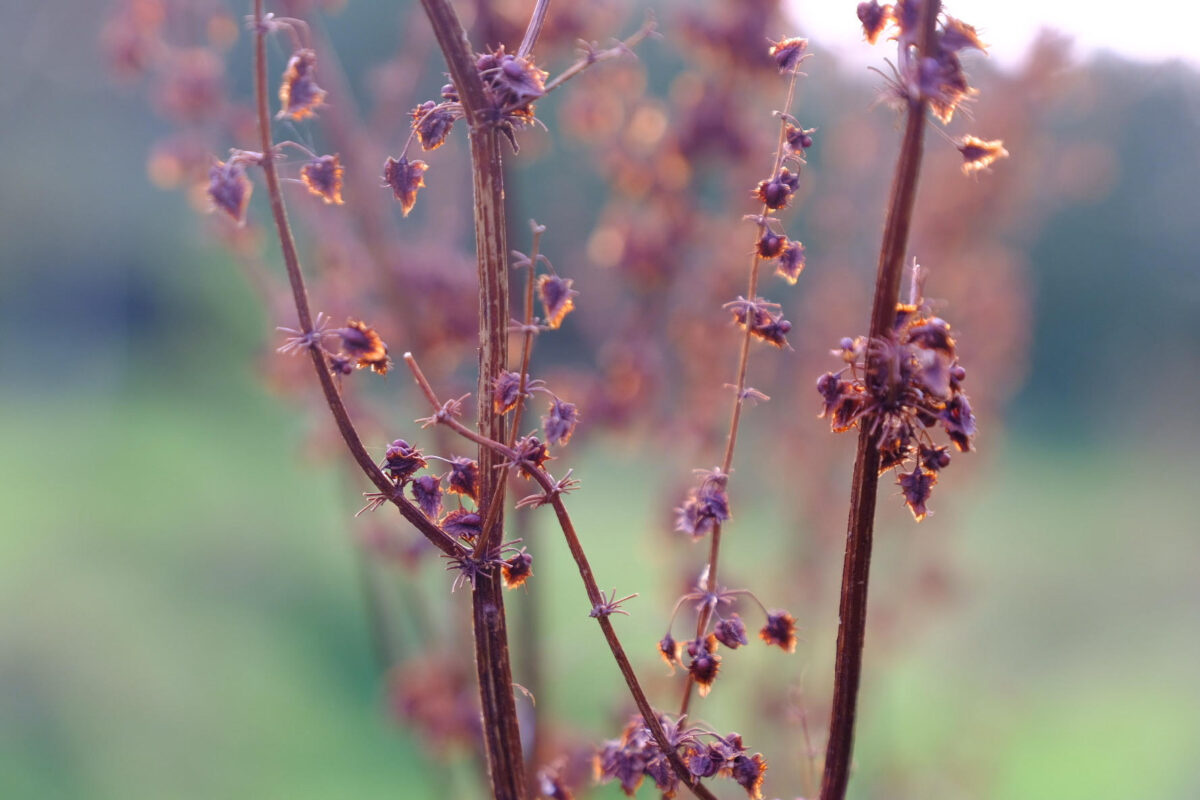
Among the rotting leaves and decaying logs, a hallmark of any wildlife garden or area is long stems and seed heads. It challenges the common temptation to tidy up and cut them down.
Removing the skeletons of summer would be destroying winter hibernation opportunities for insects like lacewings and ladybirds. These insects like to hunker down in the cups of seed heads or in the hollows of stems. And after the ladybirds have been taking care of the aphids for us all summer, isn’t a bed for the winter the least we could do?
The magnificent teasels are among the tallest of plants at many of our sites. They catch the low setting sun beautifully on an autumn afternoon. Not only do they offer an area some interest and structure, they’re a feasting opportunity for birds like goldfinches who love to eat the seeds.
You’ll also see poppy seed heads topping leggy stems, which look like little parasols and are a sight to admire. Again, by cutting them down, we’d be taking away a much-needed meal and the opportunity for self-seeding.
Winter shelter and nectar

You’ll notice lots of low-lying foliage at our sites that may not look like much, but they’re offering shelter to all kinds of wildlife.
Some plants like white deadnettle, red campion, comfrey, feverfew and scabious are still in flower, so are serving up some late season nectar. There’s ivy at some sites too, which not only offers great cover, but is a source of late-season nectar to bees and butterflies when there isn’t much choice elsewhere.
There are the browns and greens of long grasses too, again, to give space to invertebrates, and to provide a reliable food source for mammals and birds. We spotted a field mouse nestling among the ground cover at our Parson’s Close site just a few days ago.
Places with purpose

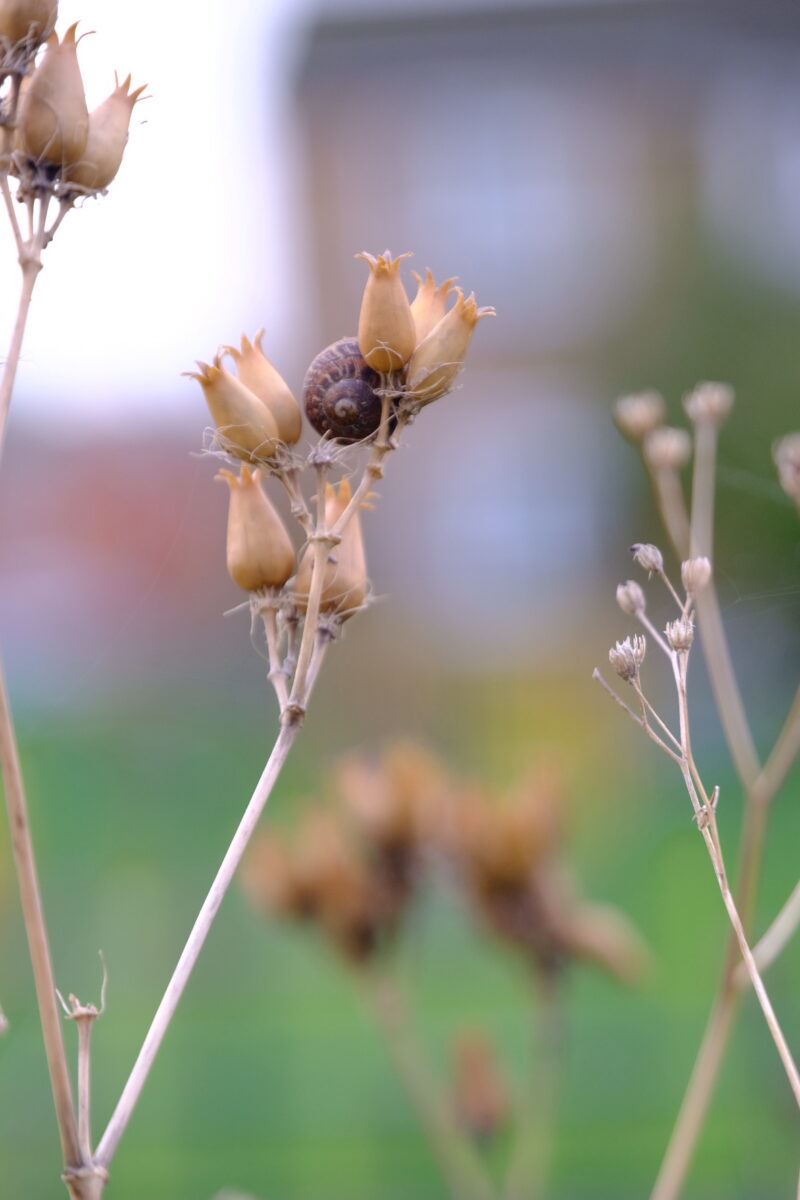
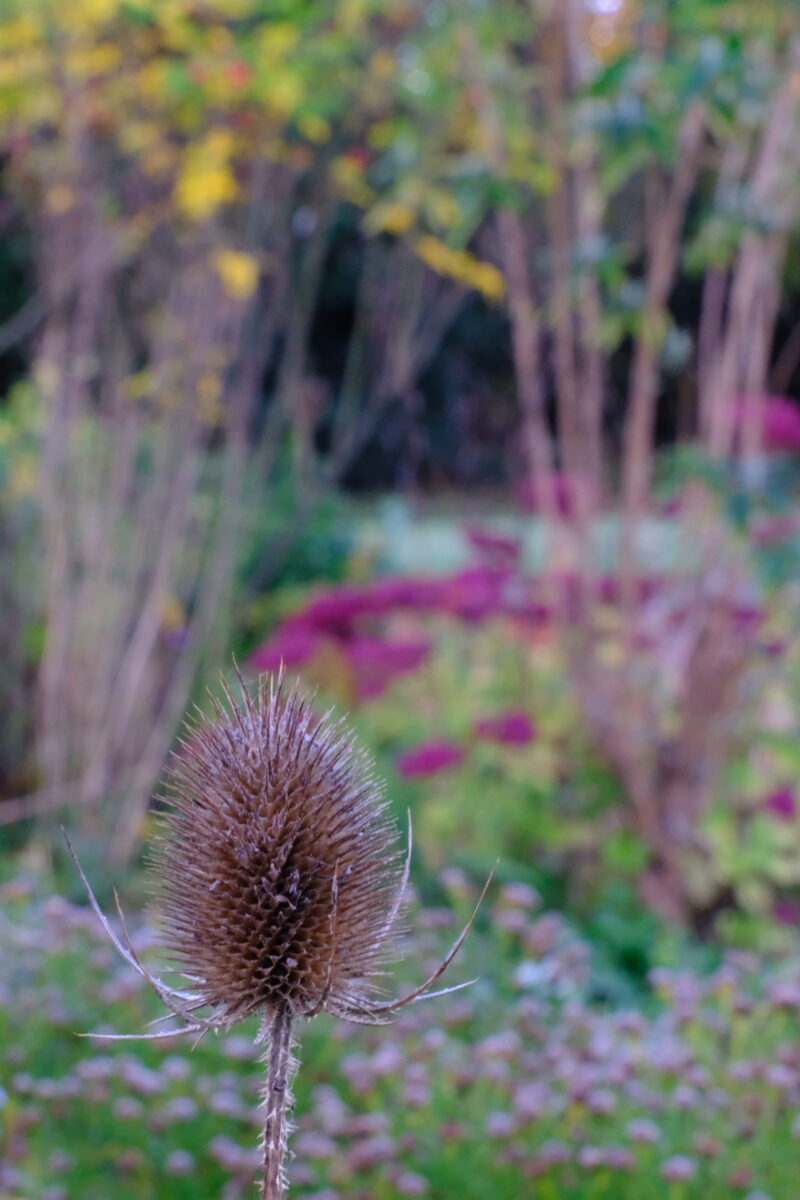
These spaces have been created for wildlife, and can often challenge our perception of beauty when it comes to gardening.
We need to remember the purpose of these areas is to help redress what we’ve lost through our biodiversity crisis. We’re helping pollinators thrive and are supporting their entire life cycle. So while that means beautiful colour in spring and summer, with that comes the brown leaves, tangles of twigs and drifts of seed heads all winter long.
We hope our wildflower sites give you a new perspective on the value of these spaces for wildlife in our town. If you want to help us maintain them this autumn and winter, take a look at our upcoming sessions.